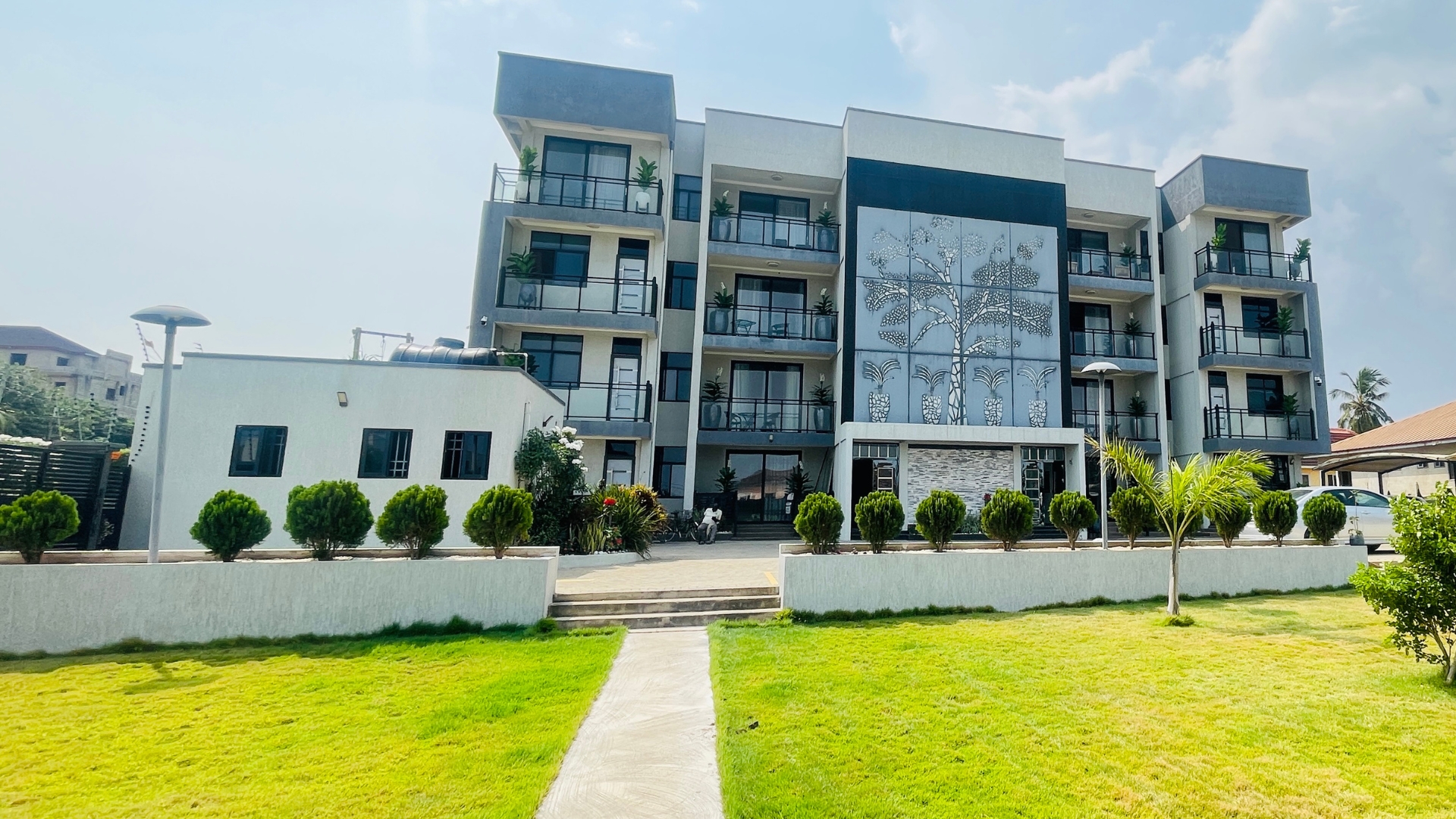
If you own a large apartment building, commercial property, guesthouse, Airbnb property, or public facility, you may have asked this question:

Can a biodigester really handle that much waste?
Many people believe biodigesters are only suitable for small houses with two or three bedrooms. They worry that a biodigester will fail when too many people use it every day.
But is that really true?
In this article, we share a real-life case study of a biodigester built for a large apartment property in Accra. Seven years later, the system is still working—and when a bad smell appeared in some bathrooms, the investigation revealed something very important. The biodigester was not the problem.

Can a Biodigester Handle a Large Property?
Yes, a properly designed and properly built biodigester can handle a large property.
The important thing is that the biodigester must be designed for the number of people using the building. A small biodigester should not be used for a large apartment complex. In the same way, you would not use a small water tank to supply a very large building.
The system has to match the property. This is one of the biggest lessons from our real-life project in Accra.
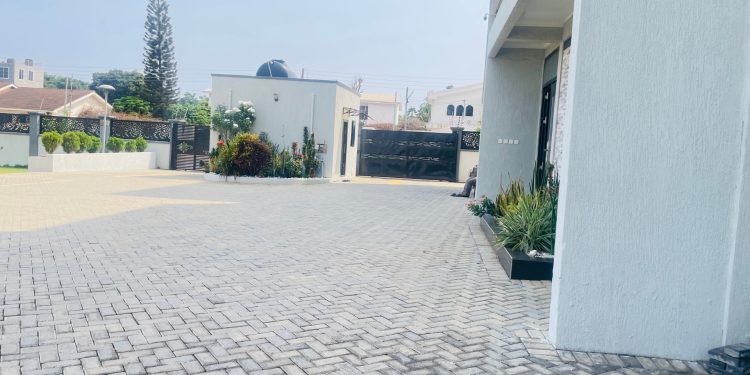
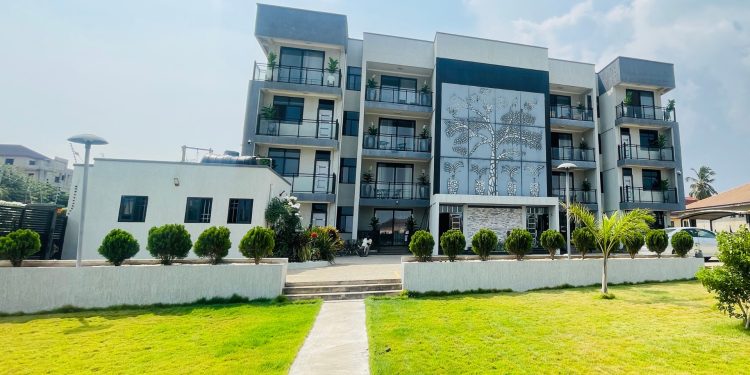
Seven years ago, DreamHouse Biodigesters constructed a biodigester for a large luxury apartment property. Today, the building is occupied by tenants and is also used for short-term stays.
Despite years of regular use, the biodigester has continued to serve as the property’s waste management system.
The Problem: A Bad Smell in the Bathrooms
Recently, the property’s caretaker contacted us with a concern.
There was a bad smell in some of the bathrooms. Naturally, the first suspect was the biodigester.
This happens a lot.
When people smell something unpleasant in their bathroom, they often immediately say:
“The biodigester has a problem!”
But a bad smell does not automatically mean the biodigester is faulty.
Before blaming the biodigester, the entire plumbing and drainage system should be checked.
That is exactly what we did.
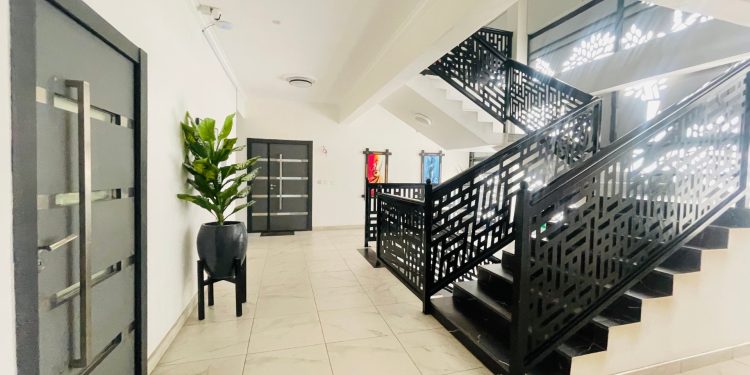
What We Found During the Inspection
When we arrived at the property, we inspected the biodigester and the plumbing system.
We checked things such as:
- The pipes running through the building
- Pipe openings and connections
- Wastewater lines
- Drainage from sinks and showers
- The possibility of blocked pipes
- Whether openings and covers were properly sealed
One of the important questions during the inspection was whether the building had a proper plumbing venting system. A working vent helps direct gases safely away from the building instead of allowing unpleasant smells to remain inside bathrooms. After inspecting the system, we found something interesting.
The smell was not coming from the biodigester. The problem appeared to be connected to greywater.
What Is Greywater?
Greywater is wastewater that comes from places such as bathroom sinks, showers, and hand basins.
Greywater is different from toilet waste. If greywater pipes are poorly designed, partially blocked, or not properly sealed, they can create unpleasant smells.
In this case, the investigation suggested that the bathroom smell could be connected to greywater drainage problems, partially blocked lines, or openings around sinks and showers that were not properly sealed.
This is an important lesson for every homeowner.
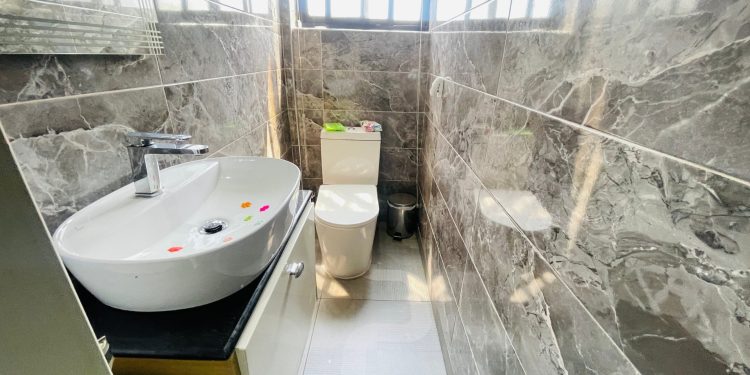
Don’t Blame the Biodigester Too Quickly
Imagine this; your bathroom starts smelling bad. You panic. You immediately think:
“The biodigester has failed!”
But the real problem could be the following: a blocked drainage pipe, a plumbing problem, poor greywater drainage, an unsealed opening, a faulty connection, and a problem with the building’s venting system.
This is why a proper inspection is important.
A biodigester should not automatically be blamed simply because there is a bad smell somewhere in the house.
In the case of this large apartment property, the inspection found that the biodigester itself was not the source of the bathroom smell.
The Big Question: Can Biodigesters Handle Commercial Properties?
This real-life case gives us a clear answer.
Yes, biodigesters can be used for bigger and high-occupancy properties when they are properly designed, constructed, and maintained.
This particular apartment property had been using its biodigester for approximately seven years with regular use from tenants and short-term occupants. The system continued to function, even though the property was much larger than an ordinary family house.
That is important because many people think a biodigester is only for small homes. That is simply not always the case.
A biodigester can be considered for different types of properties, including large houses, apartment buildings, rental properties, commercial buildings, guesthouses, short-stay properties, and public facilities.
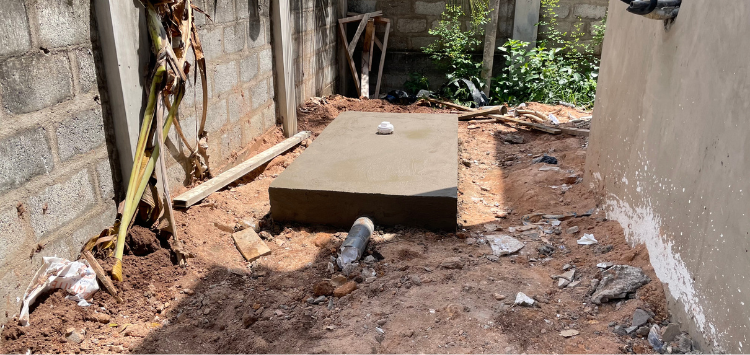
Why Some People Lose Confidence in Biodigesters
There is a reason some people are still unsure about biodigester technology. Many of us grew up seeing septic tanks and traditional manholes. They were familiar, so people understood them.
Biodigesters are newer to many homeowners, so naturally, some people are cautious.
Others may have heard stories about a biodigester failing after a few months or years.
But one important question should always be asked:
Was the system properly designed and constructed in the first place?
A biodigester can only perform well when the right system is built for the right property.
A poor design, wrong size, bad construction, or poor plumbing can create problems that people may wrongly blame on biodigester technology itself.
The real-life case discussed in this article challenges the common belief that biodigesters are only suitable for small homes.
5 Important Lessons for Owners of Big Properties
1. Bigger Properties Need the Right Size Biodigester
Do not simply copy a biodigester design from a small three-bedroom house and use it for a large apartment building. The system must be planned for the property.
2. More Users Mean More Careful Planning
A property with many tenants has different needs from a home occupied by one family.
The expected number of users should be considered before construction begins.
3. A Bad Bathroom Smell Does Not Always Mean the Biodigester Has Failed
This is probably the biggest lesson from this case study.
Always inspect the plumbing and drainage system before blaming the biodigester.
4. Greywater Needs Proper Attention
Water from sinks and showers can cause drainage and odour problems when it is not properly managed.
Do not ignore the greywater system when investigating a bad smell.
5. Get a Proper Inspection Before Spending Money
Don’t panic and immediately start rebuilding your biodigester. First, find out where the problem is actually coming from. A proper inspection could save you a lot of unnecessary money.
So, Should You Install a Biodigester for a Large Property?
A biodigester may be a suitable solution for a large property, but the decision should not be based on guesswork.
The system should be properly planned according to the property’s needs.
The most important things are proper design, correct sizing, quality construction, good plumbing, proper wastewater management, appropriate maintenance, and inspection
The seven-year apartment case study shows that a biodigester can continue working under real, daily use in a large property. It also shows why property owners should investigate the real cause of a problem instead of automatically blaming the biodigester.
Frequently Asked Questions About Biodigesters for Big Properties
Can a biodigester serve an apartment building?
Yes. A properly designed and constructed biodigester can be used for a large or high-occupancy property. The design and size should match the number of expected users and the property’s needs.
Can a biodigester handle commercial use?
Yes, when it is properly designed for that level of use. A commercial or high-occupancy property should not simply use a small residential design without proper planning.
Why does my bathroom smell if my biodigester is working?
The smell may be coming from the plumbing, drainage, greywater lines, blocked pipes, or unsealed openings. A proper inspection can help identify the real cause.
How long can a biodigester last?
This case study involves a biodigester that had been serving a large apartment property for about seven years and was still functioning at the time of inspection. Actual performance and lifespan depend on the system’s design, construction, use, and maintenance.
Should I replace my biodigester if I notice a bad smell?
Not necessarily. First, have the biodigester, plumbing, drainage, and greywater system properly inspected.
Final Thoughts
The idea that biodigesters are only suitable for small homes is something worth questioning. Real-world experience matters.
In this case, a biodigester constructed for a large apartment property continued to work after approximately seven years of daily use. When a bad smell appeared, the biodigester was investigated—but it was not found to be the source of the problem. The lesson is simple:
Don’t guess. Inspect.
If you own a large property and are considering a biodigester, focus on getting the right design and construction for your needs.
And if your bathroom starts smelling bad one day, don’t automatically blame the biodigester.
Find the real cause first.
At DreamHouse Biodigesters, we believe property owners deserve practical information based on real projects, real inspections, and real experiences. Because when it comes to managing human waste, the right solution starts with understanding the problem.
Download the ebook on how to construct a simple, onsite, biodegradable toilet waste biodigester.
My weekly newsletter talks about current news and happenings around biodigesters in Ghana.