Are you looking for an efficient and eco-friendly way to manage human waste right in your own backyard? Forget the traditional septic tank woes and the need for frequent pump-outs!

Let’s dive into the fundamental principle that makes on-site biodegradable toilet biodigesters truly revolutionary.
The Number One Rule for Biodigester Construction: Keep Water and Solid Waste Separate! This is the single most important principle for biodigester construction and operation. Unlike traditional septic systems, which are essentially holding tanks that mix everything together and require truck collection, a functional biodigester operates on a completely different premise.
For your biodigester to work effectively and break down human waste efficiently, water must not be part of the digester itself. The goal of a biodigester is to enable you to treat human waste right in your own backyard, eliminating the need for trucks to show up for collection.

Why Separation is Key for a Working Biodigester
When solid waste and water are mixed together in a digester, it often results in a foul odor. By separating the solid waste from the water (often called “black water”), you allow the bedding materials and other components within the digester to properly break down the solid waste and take away the scent and smell. This crucial separation ensures your biodigester works well.
Managing Wastewater: Best Options
Since it’s agreed that the water must not stay in the digester, the next crucial step is effectively managing this wastewater (leachate) so it doesn’t affect the integrity or longevity of your biodigester.
You need a dedicated system to drain this water directly out of the digester via a leachate pipe. Here are the best options to consider for wastewater management:
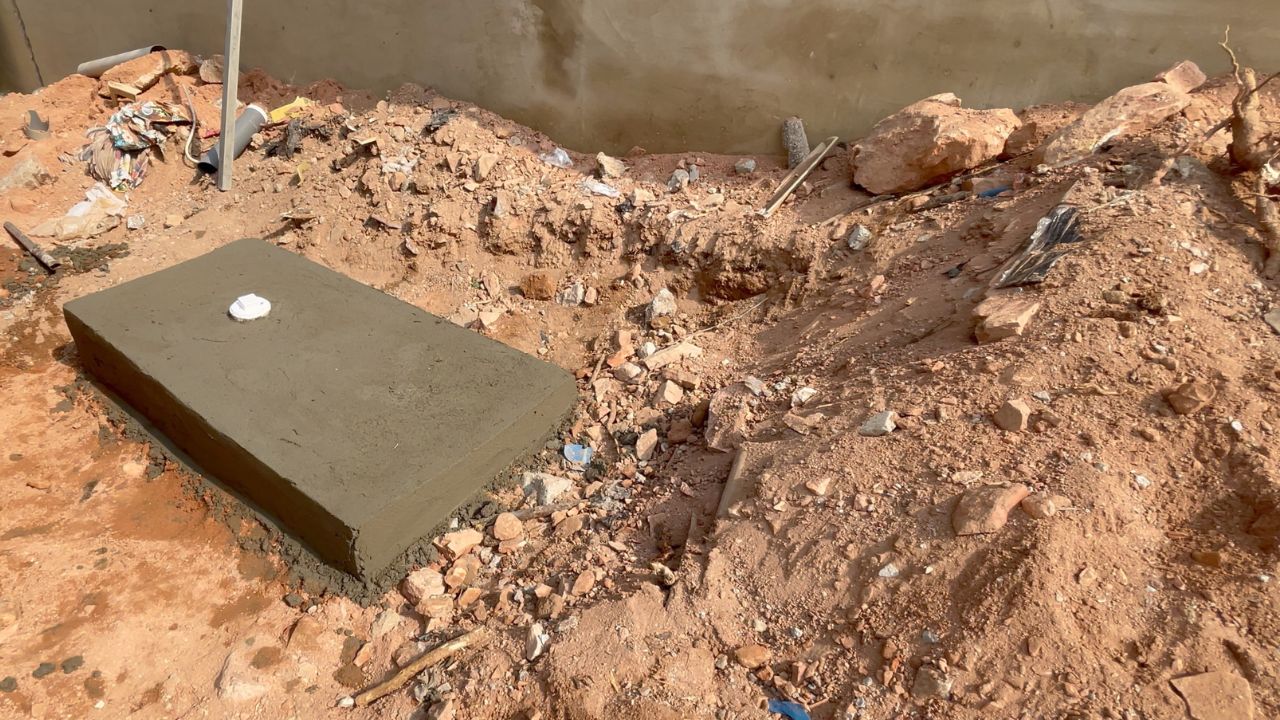
Soak Hole Pit: A straightforward method where you dig a pit, put some stones in it, and connect the leachate pipe directly to it. The water then slowly seeps into the earth’s surface.
Traditional Soak Away: This involves constructing a soak away by laying blocks and adding a top cover, then connecting the pipes so the water drains and slowly seeps into the earth. If the water doesn’t soak well, you have the option of adding a pump to take the water out when needed.
Connection to a Larger Drainage System: For convenience, you can connect your biodigester’s pipe to a bigger drainage system or a running water device, allowing the wastewater to flow away with other household wastewater.
By considering and implementing one of these options, you can ensure that the “number one golden rule” of biodigester construction works perfectly for you.
Learn how to construct a biodigester in a challenging area.